

Are you going through a divorce and wondering what happens next regarding financial support? Divorce can be complex, and understanding alimony and spousal support laws is crucial for navigating this challenging time.
Navigating the world of alimony can be daunting, but knowing the basics can provide clarity. Spousal support is designed to help the lower-earning spouse maintain a reasonable standard of living post-divorce. The laws governing these payments vary by state, making it essential to understand the specific regulations in your area.
This guide will walk you through the fundamentals of alimony and spousal support laws, helping you understand your rights and obligations. Whether you’re seeking support or are expected to pay it, being informed is key to making the process smoother.
Key Takeaways
Table of Contents
- Understanding the basics of alimony and spousal support laws is crucial for navigating divorce.
- Spousal support laws vary by state, affecting how payments are determined.
- Knowing your rights and obligations can make the divorce process smoother.
- Alimony is not always permanent; it can be temporary or rehabilitative.
- Factors such as income, length of marriage, and age can influence alimony decisions.
Understanding Alimony and Spousal Support
Spousal support, also known as alimony, is a legal obligation for one spouse to provide financial support to the other after separation or divorce. This concept is integral to divorce proceedings, ensuring that both parties can maintain a reasonable standard of living.
Definition and Purpose of Spousal Support
Spousal support is designed to provide financial assistance to a spouse who may be economically disadvantaged due to the divorce. The primary purpose is to mitigate financial disparities and allow the supported spouse to become self-sufficient. According to “The Law and Practice of Divorce and Separation”, spousal support is a critical aspect of divorce law, reflecting the legal system’s recognition of the economic interdependence of spouses during marriage.
As stated by the American Community Survey, “In 2019, about 400,000 people received alimony, with women being the primary recipients.” This highlights the importance of understanding spousal support regulations.
“Alimony is not just about providing financial support; it’s about recognizing the contributions both spouses make during the marriage.”
Historical Context and Evolution of Alimony Laws
Historically, alimony laws were rooted in common law, where the husband was obligated to support his wife after divorce. Over time, these laws have evolved to become more gender-neutral, reflecting modern societal values. The evolution of alimony laws has been influenced by changing perceptions of marriage and the roles of spouses within it.
Today, alimony is determined based on various factors, including the length of the marriage, income disparity, and the standard of living during the marriage. Courts now have more discretion in awarding alimony, allowing for more nuanced and fair decisions.
Alimony and Spousal Support Laws Across the United States
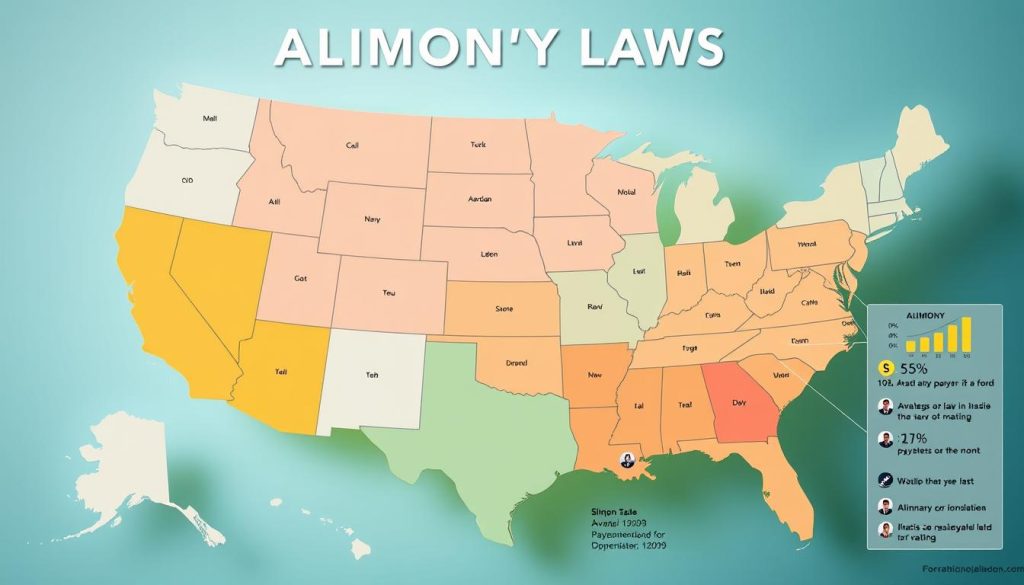
The legal framework for alimony varies significantly across different states, reflecting diverse approaches to marital support guidelines. This variation is largely due to the fact that alimony is primarily governed by state law, leading to a complex landscape of regulations.
Federal vs. State Jurisdiction in Spousal Support
While federal law plays a role in certain aspects of divorce and spousal support, such as tax implications, the primary jurisdiction over alimony lies with the states. This means that the specific laws and guidelines for determining alimony can differ substantially from one state to another.
Key Legal Statutes Governing Alimony
States have their own statutes governing alimony, which often include factors such as the length of the marriage, income disparity between spouses, and the standard of living during the marriage. For instance, some states have specific guidelines for calculating alimony based on the income of the spouses.
| State | Primary Factors for Alimony Determination | Typical Duration of Alimony |
|---|---|---|
| California | Income disparity, length of marriage | Varied, often rehabilitative |
| New York | Standard of living, income, length of marriage | Can be permanent or temporary |
| Texas | Ability to support oneself, fault in divorce | Generally limited to 5 years or less |
Recent Legal Reforms and Changes
There have been significant reforms in alimony laws across various states in recent years, aimed at making the system more equitable and responsive to the needs of both parties. For example, some states have moved towards more formulaic approaches to determining alimony, reducing judicial discretion.
Understanding these variations and changes is crucial for navigating the complex landscape of alimony and spousal support laws in the United States.
How Courts Determine Alimony Awards
In determining alimony, judges consider a range of important factors to ensure fairness. The court’s decision is based on a comprehensive evaluation of the circumstances surrounding the divorce.
Essential Factors Considered by Judges
Judges examine various factors when determining alimony awards. These include the financial resources of both parties, their earning capacities, and the contributions made during the marriage.
Duration of Marriage and Its Impact
The length of the marriage is a significant factor in determining alimony. Generally, longer marriages are more likely to result in higher alimony awards.
| Marriage Duration | Typical Alimony Award |
|---|---|
| Less than 5 years | Low to Moderate |
| 5-10 years | Moderate |
| More than 10 years | Higher |
Income Disparity Considerations
Courts also consider the income disparity between the spouses. A significant difference in income can lead to higher alimony awards to maintain a fair standard of living.
Standard of Living During Marriage
The standard of living during the marriage is another crucial factor. Courts aim to ensure that both parties can maintain a similar standard of living post-divorce.
By considering these factors, courts strive to make fair and equitable alimony determinations.
Types of Alimony and Support Arrangements
The legal system provides multiple types of alimony to accommodate different circumstances during divorce proceedings. Understanding these options is essential for both the payer and the recipient to navigate the complexities of spousal support.
Temporary Support During Divorce Proceedings
Temporary alimony, also known as pendente lite support, is awarded during the divorce process to help maintain the status quo until a final settlement is reached. This type of support ensures that one spouse can meet their financial needs while the divorce is being finalized.
Rehabilitative Alimony
Rehabilitative alimony is designed to support a spouse in acquiring education or job skills necessary to become self-sufficient. This type of alimony is typically awarded when there is a significant disparity in earning potential between the spouses.

Permanent Alimony
Permanent alimony, although not always permanent, is awarded in situations where one spouse is unlikely to become self-supporting due to age, health, or other factors. The duration of permanent alimony varies by jurisdiction and is subject to the court’s discretion.
Lump Sum vs. Periodic Payments
Alimony can be paid either as a lump sum or through periodic payments. Lump sum alimony provides a one-time payment, offering clarity and finality, while periodic payments are made over time and can be adjusted based on changing circumstances.
Understanding the different types of alimony and support arrangements is crucial for making informed decisions during divorce proceedings. It’s essential to consult with a legal professional to determine the most appropriate type of alimony based on individual circumstances and in accordance with legal spousal support statutes.
How to Request or Respond to Spousal Support Claims
The process of requesting or responding to spousal support claims involves several key steps that must be followed carefully. Whether you are seeking alimony or responding to a claim, understanding the legal process can help you navigate this complex issue.
Filing for Alimony: Step-by-Step Guide
Filing for alimony requires a thorough understanding of the legal requirements and procedures. Here are the steps to follow:
- Consult with an attorney to understand your rights and obligations.
- Gather financial documents, including income statements and expenses.
- File a petition for alimony with the court, specifying the amount you are seeking.
- Serve the other party with the petition and supporting documents.
Required Documentation and Evidence
To support your alimony claim, you will need to provide detailed financial information. This includes:
- Income statements and tax returns.
- Expense reports, including housing, food, and other living expenses.
- Documentation of any debts or financial obligations.
Responding to Alimony Requests
If you are responding to an alimony request, it’s essential to understand the legal grounds for contesting the claim. You may need to provide evidence that contradicts the claimant’s financial situation or demonstrates your inability to pay.
Key considerations include:
- Reviewing the claimant’s financial documents.
- Assessing your financial situation and ability to pay.
- Consulting with an attorney to develop a response strategy.
Negotiation and Mediation Options
In many cases, negotiation or mediation can be an effective way to resolve spousal support disputes without going to court. These processes allow both parties to reach a mutually acceptable agreement with the help of a neutral third party.
Benefits of negotiation and mediation include:
- Reduced legal costs.
- Faster resolution.
- Greater control over the outcome.
Enforcing and Collecting Spousal Support Payments
When a spouse fails to pay alimony, the recipient can seek various legal actions to enforce the court order. Understanding these mechanisms is crucial for ensuring that spousal support payments are made as mandated.
Legal Remedies for Non-payment
If a spouse fails to pay alimony, the recipient can pursue several legal remedies. These include filing a motion for contempt, which can result in the non-paying spouse facing fines or even jail time.
Wage Garnishment and Income Withholding
One effective method for enforcing alimony payments is through wage garnishment or income withholding. This involves directing the payer’s employer to deduct the alimony amount directly from their wages.

Interstate Enforcement of Alimony Orders
Enforcing alimony across state lines can be complex, but the Uniform Interstate Family Support Act (UIFSA) provides a framework for interstate enforcement. This law allows recipients to seek enforcement in the state where the payer resides.
Consequences of Failing to Pay Alimony
Failing to pay alimony can have serious consequences, including damage to credit scores, fines, and potential jail time. It’s essential for payers to understand these risks and comply with court orders.
| Consequence | Description |
|---|---|
| Wage Garnishment | Direct deduction from the payer’s wages |
| Fines | Monetary penalties for non-compliance |
| Jail Time | Potential incarceration for contempt |
Modifying or Terminating Alimony Arrangements
Alimony is a flexible arrangement that can be adjusted or ended as circumstances change. Life events such as remarriage, changes in income, or cohabitation can significantly impact alimony obligations.
Grounds for Changing Support Payments
Courts allow modifications to alimony when there is a substantial change in circumstances. This can include a significant increase or decrease in the income of either party, or a change in the recipient’s financial needs.
Impact of Remarriage or Cohabitation
Remarriage often terminates alimony obligations, as the recipient’s financial situation is presumed to have improved. Cohabitation can also impact alimony, though the specifics depend on state laws and the terms of the divorce agreement.
Step-by-Step Process for Requesting Modifications
To modify alimony, one must file a request with the court, providing evidence of changed circumstances. This process involves gathering financial documents, demonstrating the change in circumstances, and sometimes negotiating with the other party.
When Alimony Automatically Terminates
Alimony may automatically terminate upon the remarriage of the recipient or the death of either party, depending on the terms of the divorce decree. Understanding these conditions is crucial for both payers and recipients.
It’s essential to consult with a legal professional to navigate the complexities of modifying or terminating alimony arrangements, ensuring compliance with divorce alimony regulations.
Conclusion: Protecting Your Rights in Spousal Support Matters
Understanding marital support guidelines is crucial in navigating the complex landscape of alimony and spousal support laws. As discussed throughout this article, various factors influence the determination of spousal support, including the duration of marriage, income disparity, and standard of living during the marriage.
To protect your rights, it’s essential to be aware of the different types of alimony and support arrangements available, as well as the legal remedies for enforcing or modifying these arrangements. By familiarizing yourself with the marital support guidelines in your jurisdiction, you can better navigate the legal process and ensure a fair outcome.
Whether you’re seeking to request or respond to spousal support claims, being informed and prepared is key to achieving a successful resolution. By understanding your rights and obligations under the law, you can make informed decisions and work towards a more equitable and sustainable spousal support arrangement.